- March 13, 2025
- 9:11 am
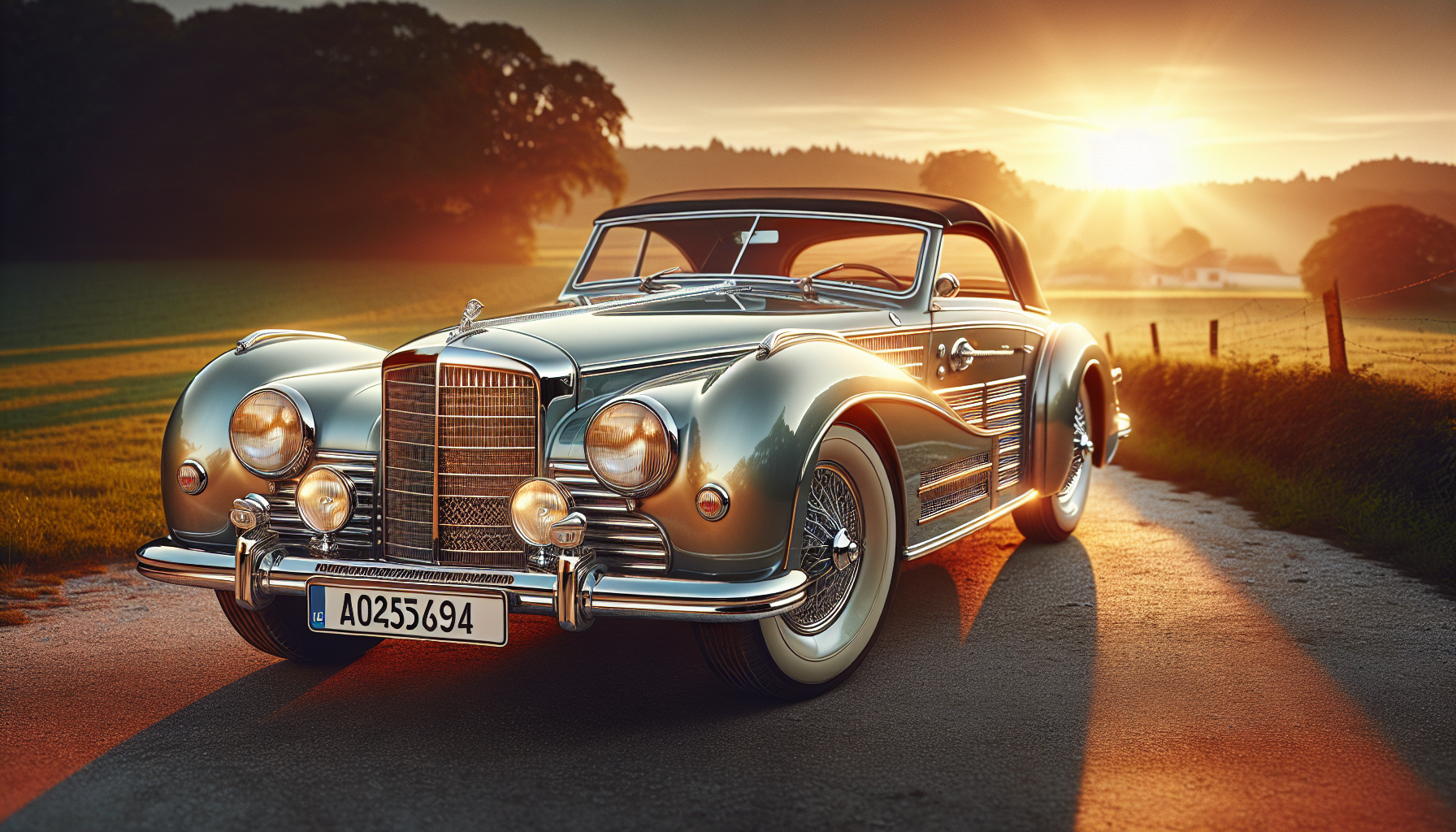
Classic cars have a timeless appeal that attracts car enthusiasts and collectors alike. Owning a classic car is not just about having a mode of transportation; it’s about owning a piece of automotive history. In this guide, we will walk you through the essential steps to consider when purchasing a classic car.
What Defines a Classic Car
When it comes to classic cars, certain characteristics define them and set them apart from regular vehicles. Understanding these features is crucial before diving into the world of classic car ownership.
Age and Rarity
Classic cars are typically at least 20 years old and are no longer in production. Additionally, their rarity adds to their allure, as limited availability often drives up their value.
Researching Classic Cars
Before making a purchase, thorough research is key to ensuring you find the right classic car for your needs and budget.
Historical Significance
Considering the historical significance of a classic car can provide insight into its value and collectability. Look for models that have a unique story or place in automotive history.
Setting a Budget
When buying a classic car, setting a budget is essential to avoid overspending and financial strain.
Hidden Costs
In addition to the purchase price, classic cars may come with hidden costs, such as maintenance, insurance, and restoration expenses. Factor these into your budget to avoid any surprises down the road.
Inspecting a Classic Car
Inspecting a classic car before making a purchase is crucial to ensure you are getting a quality vehicle.
Mechanical Condition
Assessing the mechanical condition of a classic car is paramount. Look for signs of rust, engine issues, and other potential problems that could impact its performance.
Financing a Classic Car
Financing a classic car purchase may require a different approach than financing a new vehicle.
Specialty Lenders
Consider seeking out specialty lenders that cater to classic car buyers. These lenders may offer more flexible terms and understanding of the classic car market.
Restoring a Classic Car
Restoring a classic car can be a rewarding experience, but it requires careful consideration.
DIY vs Professional Restoration
Decide whether you want to embark on a do-it-yourself restoration project or hire professionals. Each option has its advantages and disadvantages, so weigh them carefully.
Maintaining a Classic Car
Once you have purchased and restored your classic car, proper maintenance is key to preserving its condition and value.
Storage Tips
Store your classic car in a secure, climate-controlled environment to protect it from the elements and preserve its paint and interior.
Conclusion
Purchasing a classic car is a unique and fulfilling experience for car enthusiasts and collectors alike. By following the steps outlined in this guide, you can confidently start your journey into classic car ownership.
For the widest selection of classic cars and easy financing options, contact Eagle Motors at troykgerdes@gmail.com or 5078953098. Start your classic car buying journey with us today!